The Hidden Energy Bill: Which Kitchen and Home Gadgets Are Quietly Costing You (And Which Pay for Themselves)
There's a certain kind of gadget guilt that sets in when the electric bill arrives. Did the air fryer do it? The smart display that's been glowing on the counter since 2021? The honest answer is: probably, but less than you fear — except in one or two places where it's worse than you'd guess.
So we did what any gadget-obsessed shop would do. We bought a $15 plug-in power meter, raided the break room and a few team kitchens, and measured everything. Here's what we found.
The Test Setup
We used a standard Kill A Watt-style meter, measured each device in both active and standby mode, and calculated annual cost at the US average of roughly 17 cents per kWh. Your mileage will vary by state — California and Connecticut run higher, Louisiana and Washington run lower — but the ratios hold everywhere.
The Vampires: Always On, Always Billing
Smart displays and speakers with screens were the worst offenders. A countertop smart display draws 3–5 watts around the clock in standby. That's roughly $5–8 a year per device. One device? Annoying but survivable. Four scattered through the house? That's a dinner out, annually, for a device that's mostly showing you the weather.
Older gaming consoles left in instant-on mode can pull 10+ watts at rest — north of $15 a year. Newer consoles are much better, but check the settings; the energy-sipping mode isn't always the default.
Cable modems and Wi-Fi routers are non-negotiable vampires at 6–10 watts each. You can't unplug them, but you can stop stacking a second router you don't use.
The Surprise Winner
Air fryers, the internet's favorite villain, are actually efficient. They heat a small chamber fast — 1,200 to 1,500 watts, sure, but for 15 minutes, not an hour. Cooking the same thing in a full-size electric oven can use more total energy. If your air fryer replaced oven use, it's likely saving you $10–20 a year.
Pressure cookers and electric kettles earn similar gold stars. Kettles especially: they heat exactly the water you need, fast.
Keep, Toss, or Upgrade
Here's the framework we use when deciding whether a gadget earns its outlet:
- Keep: anything that displaces a bigger energy user (air fryer, kettle, pressure cooker) or costs under $2/year in standby (most basic smart plugs and bulbs).
- Upgrade: always-on smart displays from 2019 or earlier. Newer models use roughly half the standby power, and the upgrade often pays for itself within two to three years if you replace instead of add.
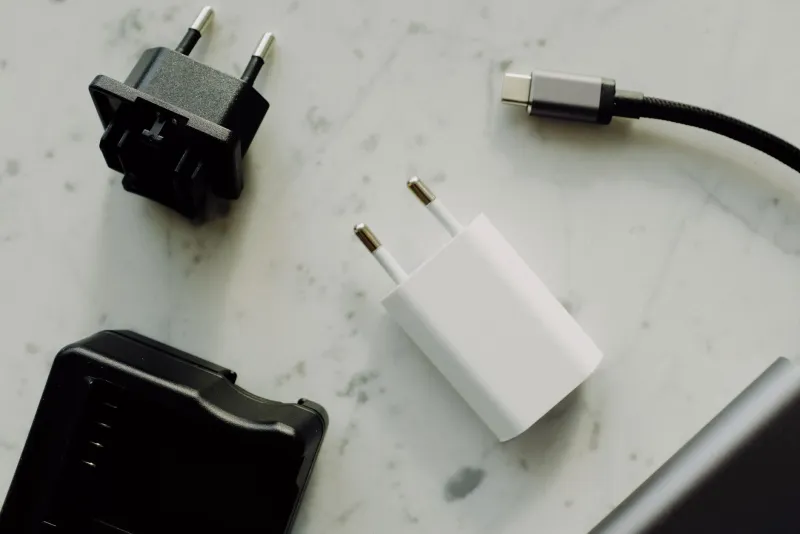
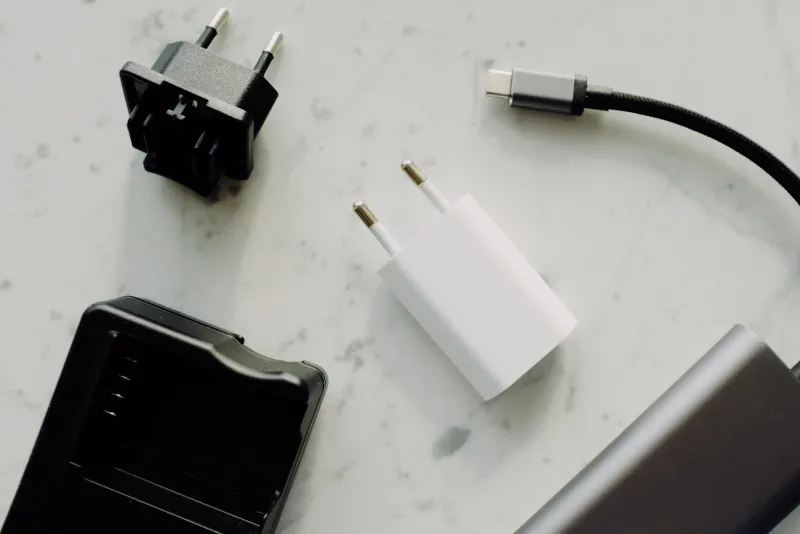
- Toss: any charger, hub, or adapter that's warm to the touch when nothing's connected. Warm means it's pulling power for literally no reason. That box of mystery wall warts in the junk drawer? They're collectively costing you real money for zero function.
The Two-Minute Audit
Don't want to buy a meter? Do this instead: on a quiet evening, walk through your house and count the glowing LEDs. Each one is a device drawing standby power. Most are fine. But the ones attached to things you haven't used in six months — the old soundbar, the spare streaming box, the printer that's somehow always on — get unplugged tonight.
The total savings won't change your life. But $100–200 a year for ten minutes of walking around your own kitchen? That's the best ROI of any gadget we've ever tested.