One Cable to Charge Them All: How USB-C Finally Killed the Charger Junk Drawer
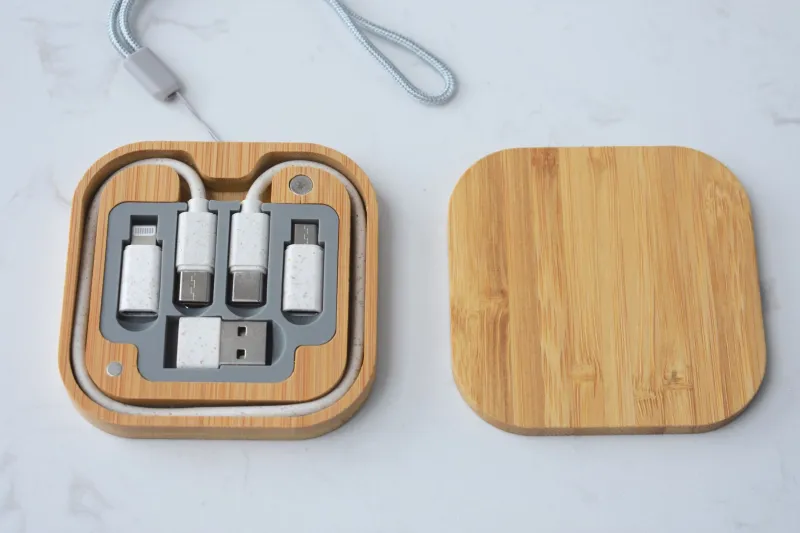
Open the drawer. You know the one — the kitchen junk drawer or the box in the closet where charging cables go to multiply. There's a micro-USB from a Bluetooth speaker you donated in 2019, a barrel-plug charger for a router you don't own anymore, and a tangled nest of Lightning cables. Most of it is dead weight, and thanks to USB-C, most of it can go.
The Quiet Standard That Actually Happened
Tech standards have a habit of failing. Remember the smart home wars? But USB-C pulled off something rare: near-universal adoption. Phones, tablets, laptops, earbuds cases, handheld consoles, cameras, even some flashlights and electric razors now charge over the same oval-shaped plug. The EU mandated it for phones, and while the US hasn't followed with regulation, the market got there anyway — Apple finally caved and switched the iPhone over in 2023.
The practical upshot is simple: you can walk out the door with one cable and reasonably expect it to work on everything you're carrying. That wasn't true five years ago.
Where USB-C Has Fully Won
Before you start tossing cables, know which categories you can safely consolidate:
- Phones and tablets — Android has been USB-C for a decade, and the iPhone joined the party with the iPhone 15. Done.
- Laptops — Nearly every modern Windows laptop and all MacBooks charge via USB-C, though some gaming laptops still need their proprietary bricks for full power.
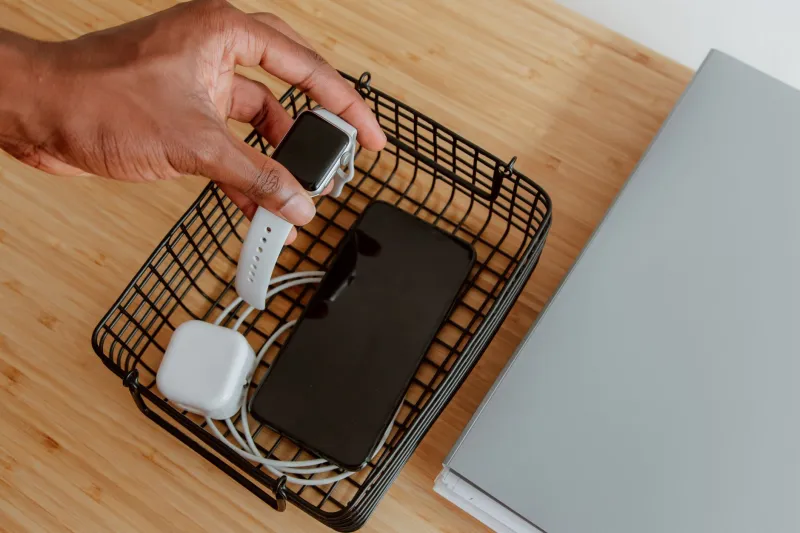
- Earbuds and wearables — Charging cases are overwhelmingly USB-C now. Some smartwatches still use magnetic pucks, but the puck usually plugs into a USB-C port anyway.
- Consoles and controllers — The Switch, Steam Deck, and most current-gen controllers are USB-C. The PS5 and Xbox controllers too.
- Accessories — Portable batteries, webcams, drone batteries, bike lights, humidifiers. The list keeps growing.
The Holdouts Worth Knowing About
A few things still resist. Older Kindle models use micro-USB. Some budget appliances and cheap gadgets ship with proprietary plugs because the manufacturer saved forty cents. And certain high-wattage gaming laptops need their own power bricks to hit peak performance — a 100W USB-C charger won't fully feed a 230W machine.
Our advice at EE-Shopp: don't replace working non-USB-C gear just for the sake of it. But when something breaks or it's time to upgrade, make USB-C charging a hard requirement on your next purchase. That's how the collection consolidates itself over time, without wasting money on a purge.
The Wattage Math (It's Easier Than It Sounds)
Here's the part that confuses everyone, demystified. USB-C chargers and devices negotiate power automatically — the device only draws what it needs. So a big charger won't fry your earbuds.
Rough numbers to shop by:
- Earbuds, small gadgets: 5–15W
- Phones: 20–45W for fast charging
- Tablets and handhelds: 30–45W
- Most laptops: 65W covers ultrabooks and MacBooks
Add up your heaviest daily users and buy one charger that covers the total. For most people, a 65W GaN charger handles a laptop and phone simultaneously. A 100W dual- or triple-port model covers a full desk setup. GaN (gallium nitride) technology is why these things are now smaller than the brick that came with your old laptop.
One caveat: cheap no-name chargers lie about their wattage. Stick with brands like Anker, Ugreen, Satechi, or Belkin — a $25 charger from a real company beats a $9 mystery brick every time.
Cables Matter More Than You Think
Not all USB-C cables are equal. The one bundled with cheap earbuds might only carry 60W — fine for a phone, useless for a laptop. Look for cables rated 100W (marked 5A/20V) for charging duty, and if you want to connect monitors, get one certified for USB 4 or Thunderbolt. Buy two or three good ones, label them if you must, and stop buying cables at airport kiosks.
Your Consolidation Plan, This Weekend
- Dump every cable and charger in one pile. Match each to a device you actually own.
- Keep one spare micro-USB or Lightning for legacy gear, toss the rest responsibly — Best Buy and Staples both run free electronics recycling.
- Buy one quality GaN charger sized to your wattage math.
- Set a rule going forward: no new gadget enters the house unless it charges over USB-C.
Do that, and the junk drawer shrinks to a single cable, a single brick, and the smug satisfaction of never asking "is this the right one?" again. That's a deal you can't put a price on — though honestly, you're saving about $60 a year in redundant chargers, so we will.