Rent It, Deck It Out, Take It With You: A No-Damage Guide to Smart Tech for Apartments
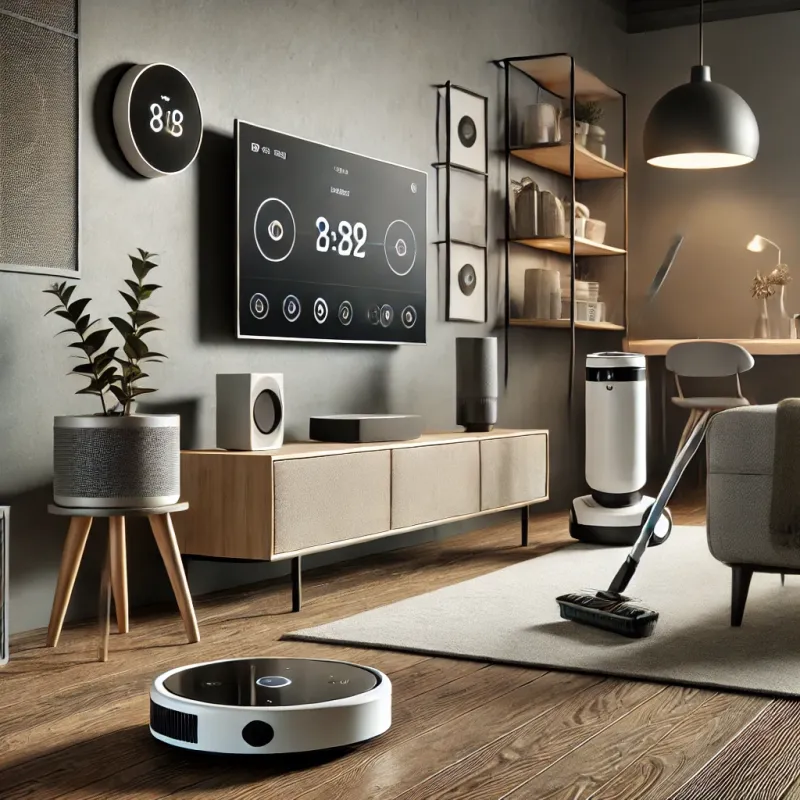
Photo: smart home gadgets in modern apartment interior, via smartzgadget.com
If you rent, you've probably had this moment: you find a gadget that would genuinely improve your life, read 'professional installation required,' and quietly close the tab. Owning a home isn't a prerequisite for having a smart home — you just need to shop with a different checklist.
The good news is that almost everything in the smart home category has quietly gone renter-friendly over the past few years. The stuff that still requires drywall surgery is increasingly optional. Here's how to build a setup that's genuinely smart, fully portable, and invisible to your landlord at move-out.
The One Rule That Governs Everything
Before we get to products, internalize this: if it can't be undone with a screwdriver and five minutes, it doesn't go in a rental. No hardwiring. No drilling into brick. No replacing the thermostat's mounting plate with something that leaves holes behind.
That single filter eliminates about 20% of the smart home aisle — and most of what's left is better anyway, because portable gear is designed to be reinstalled, which means it's designed to be simple.
Smart Locks: The Big One, Solved
The scariest-sounding upgrade is usually the easiest. You don't need a keyless deadbolt that replaces your lock — you need a smart lock converter that mounts over your existing deadbolt's thumb turn on the interior side. The outside of your door looks exactly the same. Your landlord never knows it's there. When you move, you unscrew it, toss it in a box, and the original lock works like it always did.
Look for models with a built-in keypad so roommates and guests can get codes instead of copies of your key. One thing to double-check before buying: converter-style locks need a certain amount of clearance around the existing deadbolt, so measure first — it's the most common return reason for this category.
Security Cameras That Don't Need a Ladder
Wired outdoor cameras are the classic rental mistake. Battery and plug-in cameras have gotten good enough that there's rarely a reason to bother.
- Video doorbell: Skip the wired versions. A battery-powered doorbell with a peel-and-stick or no-drill mount gives you package alerts and two-way talk in about ten minutes.
- Indoor cameras: These are plug-and-play anywhere there's an outlet. Put one facing the front door and you'll catch deliveries, dog chaos, and anything else worth knowing about.
- Window sensors and entry alarms: Cheap, adhesive-backed, and louder than they have any right to be. Great for a first-floor apartment.
One etiquette note if you have roommates: indoor cameras in shared spaces are a conversation, not a unilateral decision. Camera in the entryway? Fine. Camera in the kitchen? Ask first.
Lighting: The Highest-Return Upgrade in the Category
If you only do one thing on this list, do the lighting. Smart bulbs screw into the fixtures you already have, cost less than takeout, and transform how an apartment feels — dimmed warm light in the evening, gradual sunrise wake-ups, and lights that turn off when you inevitably forget.
A few practical notes from the shopping trenches:
- Smart bulbs go in lamps and fixtures you control with a switch; smart plugs or a smart switch cover handle anything on a wall toggle.
- If your complex uses flickering or oddly-shaped wall switches, a simple adhesive smart button mounted next to the switch solves it without any wiring.
- Light strips under cabinets and behind the TV are the cheapest 'wow' per dollar in all of home tech, and they peel off cleanly when you leave.
The Appliance Workarounds Nobody Tells You About
You can't replace the landlord's dishwasher, but you can make dumb appliances smarter from the outside:
- Smart plugs turn any ordinary lamp, fan, or coffee maker into a scheduled, voice-controlled one. This is the single best $15–25 in the smart home world.
- A smart thermostat is usually a no. Check your lease — some landlords allow it if you reinstall the original at move-out, but many don't, and hardwired HVAC is exactly the kind of 'permanent modification' red flag we'll get to below. A plug-in smart temperature sensor plus a portable AC or space heater with smart plug control gets you most of the way there.
- Leak detectors under the sink and behind the washer are adhesive-free, battery-powered, and can save you from a genuinely catastrophic security-deposit event. Renters are arguably the people who need these most.
Lease Red Flags to Read For
Before you buy anything, skim your lease for these phrases:
- 'No alterations to the premises' — this usually means no drilling, no hardwiring. Adhesive mounts and freestanding gear are fine.
- 'Locks may not be changed' — converter-style smart locks that leave the original lock intact are generally fine, but don't swap the deadbolt itself without written permission.
- 'Tenant responsible for restoration costs' — this is the clause that turns one drilled hole into a line item. It's why no-drill mounts exist.
When in doubt, a one-line email to your landlord asking about a specific gadget gets you a paper trail. Most landlords say yes to anything that doesn't leave holes.
The Deposit-Safe Checklist
Run every potential purchase through this before clicking buy:
- Does it mount with adhesive, tension, or a screwdriver alone? Good. Drill or drywall anchors? Pass.
- Does it leave the original hardware functional and visible? Smart lock converters: yes. Lock replacements: no.
- Can I uninstall it in under 15 minutes with no special tools? Moving day you'll thank yourself.
- Does it need a landlord, an electrician, or a permission slip? Then it's a conversation first, a purchase second.
- Will it work in the next place too? Prefer gadgets sized for standard doors, standard outlets, and standard bulbs — they travel.
Moving Day: The One-Afternoon Pack-Up
Here's the payoff for shopping this way. When your lease ends:
- Unscrew the smart lock converter and drop the original thumb turn back on (it never left the drawer).
- Peel camera and sensor mounts off — a bit of rubbing alcohol removes any residue, and a leftover adhesive strip on a wall won't read as damage.
- Reset each device to factory settings so the new tenant can't inherit your Wi-Fi credentials, then re-pair everything at the new place.
- Keep a single labeled box: 'Smart home.' Locks, cameras, hubs, sensors, spare adhesive mounts. It should be the last box you pack and the first one you open.
That's the whole system. Renting your place doesn't have to mean renting your tech limitations too — it just means buying gear that's as flexible about housing as you are. Every pick on this list is at EE-Shopp's usual deal-hunting sweet spot: cheap enough to justify, portable enough to keep, and gone without a trace when the next lease starts.