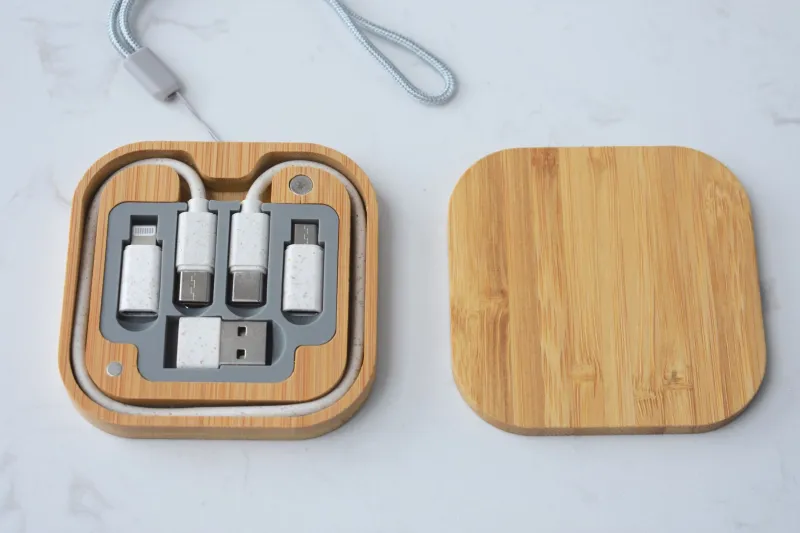
The January Junk Drawer: How to Give a Gadget That's Still Out of the Box in a Good Way
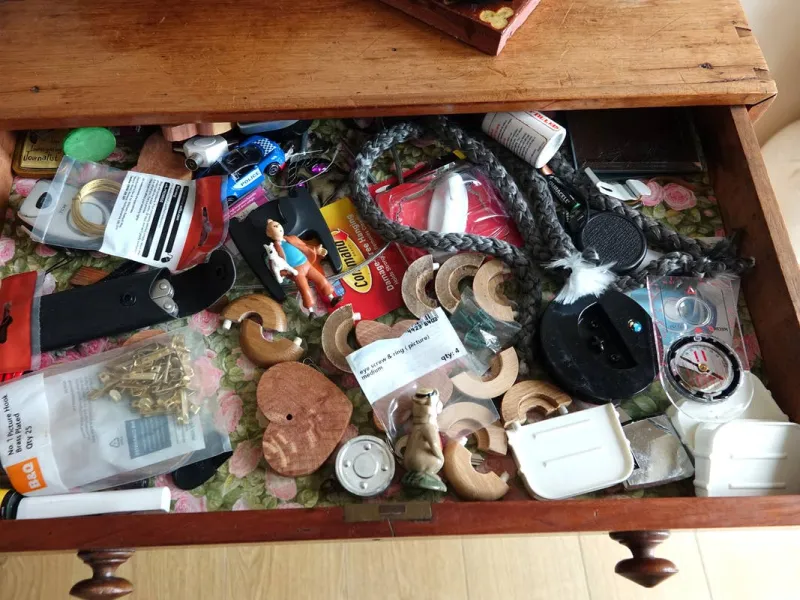
Photo: unopened gadget gifts in box cluttered drawer electronics, via dengarden.com
Somewhere in an American closet right now, there's a novelty neck massager still in its box. Next to it: a smartwatch from a brand nobody's heard of, a Bluetooth speaker with disco lights, and an electric wine opener that required three AAA batteries nobody had. All gifts. All given with love. All functionally dead by Valentine's Day.
We call it the gift-gadget graveyard, and every January it gets a fresh shipment.
The Numbers Behind the Guilt Trip
The resale market tells the story better than any survey could. Browse any major resale platform in late January and you'll find waves of listings with titles like "Brand new, opened but never used" — almost always electronics received as gifts in December. A quick scan of listings tagged "Christmas gift" or "unwanted gift" shows a predictable spike in sealed headphones, fitness trackers, and kitchen gadgets hitting the secondary market within weeks of the holidays.
The pattern makes sense when you think about it. A gift gadget lives or dies on two things: whether the recipient actually wanted it, and whether it solves a problem they already had. Miss either one, and you've purchased a very elaborate piece of packaging.
Industry research on gift returns backs this up. Electronics consistently rank among the most-returned gift categories, and analysts estimate that a meaningful chunk of holiday purchases — often cited in the range of 10-15% — end up returned or resold. The rest? Many simply get shelved. A gift that's returned at least re-enters the economy. The one gathering dust in a drawer is the true landfill case, just on a delayed timeline.
Why Smart People Give Bad Gadgets
Nobody sets out to give a bad gift. The gadget-gifting failure usually comes from one of three well-meaning mistakes:
The upgrade assumption. You know your dad loves music, so you buy him earbuds. But he already has earbuds he likes, and yours are a side-grade at best. Gadgets fail as surprises precisely because tech is personal — fit, ecosystem, and habit all matter.
The novelty trap. Disco lights, gimmick features, and "as seen on TikTok" energy. Novelty gadgets are engineered for the unboxing moment, not the following 364 days. If the pitch is mostly about how fun it looks in a video, that's your tell.
The off-brand bargain. A $29 "smartwatch" seems like a steal until it won't pair properly, dies in eight hours, and has no support line. Cheap no-name electronics have a brutal still-in-use rate because they're often not good enough to clear the hassle threshold of daily life.
The Still-in-Use Test: Four Questions Before You Buy
Here's the framework we use at EE-Shopp when evaluating whether a gadget gift will still be out of the box — in the good way — next New Year's. Run any candidate through these four questions:
1. Does it replace something they already use weekly? A gadget that upgrades an existing habit (better coffee maker, nicer headphones, a faster phone charger for the nightstand) has a built-in use case. A gadget that creates a new habit (a juicer, a smart plant sensor) is fighting uphill against human nature.
2. Does it work with what they already own? Ecosystem check: if they're all-in on one platform, a gift that fights it will get abandoned. Verify compatibility before checkout — it takes two minutes and saves the whole gift.
3. Would they have bought it themselves this year? This is the gold-standard question. Gifts with high still-in-use rates tend to be things on the recipient's own mental wish list. Not sure? Ask a sibling, partner, or check a public wishlist. The surprise factor is overrated; the usefulness factor is not.
4. Is it from a brand with real support? Firmware updates, replacement parts, a warranty you've heard of. If the brand disappears, so does the gadget's lifespan.
The Safe Bets (and the Gamble Picks)
Based on resale velocity, return rates, and plain old observation, here's how common gift categories shake out:
High still-in-use rate: Quality earbuds and headphones, phone and laptop chargers and power banks, streaming sticks, smart plugs, quality kitchen workhorses (a good electric kettle or immersion blender), and car accessories like dash cams or phone mounts. These solve daily problems for nearly everyone.
Moderate risk: Smartwatches and fitness trackers (only if the person has expressed interest), robot vacuums (great gift, wrong if they already own one), and portable speakers (fine if genuinely better than what they have).
Gamble territory: 3D pens, novelty massage devices, single-use kitchen gadgets (avocado slicers, we're looking at you), off-brand tablets, and anything whose main selling point is a light show.
When in Doubt, Gift the Upgrade, Not the Idea
The best tech gifts rarely introduce a new concept — they make something the person already does faster, clearer, or less annoying. That's why a $25 fast charger gets daily use for years while a $75 gadget duo tray gets donated in March.
So this year, before you add that flashing, singing, massaging thing to your cart, run it through the four questions. If it passes, buy with confidence. If it doesn't, pivot to the upgrade version of something they already use — or when truly stuck, a gift card isn't a cop-out. It's just a gift that never ends up in the drawer.
Your recipient will thank you. So will the landfill.